
Introduction
Introduction
Farms operate in dynamic marine environments where weather, vessel traffic, equipment, and people intersect creating risks. Seamanship and safety are therefore foundational competencies for every worker on an aquaculture farm. This module introduces the essential principles of maritime safety, equipment handling, navigation, and operational readiness for aquaculture operations.
Working safely on the water requires more than just compliance with regulations. It requires:
- Situational awareness
- Consistent vessel and gear maintenance
- Understanding of local weather and tides
- Strong communication practices
- Emergency preparedness
- Respect for the working waterfront and surrounding communities
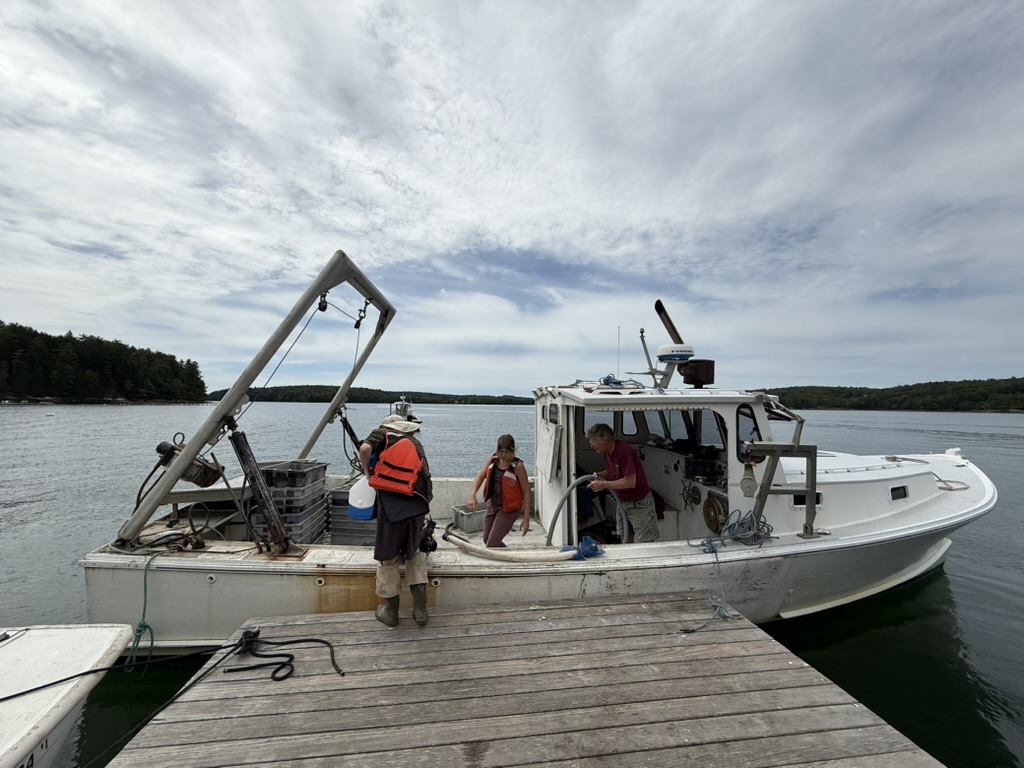
Working on or near water carries inherent risks, and aquaculturists must recognize hazards to prevent incidents before they occur. Maine’s coastal environment, marked by cold water, fog, rapidly shifting winds, and high tidal ranges magnifies these hazards.
Key Principles of Water Safety
- Vigilance: Continuously monitor your surroundings; gear tension, vessel movement, wind shifts, approaching weather, and nearby vessels.
- Predictive Awareness: Most accidents occur from a chain of small issues. Early detection prevents escalation.
- Communication: Maintain clear communication between crew members, especially during gear handling, anchoring, towing, or rough conditions.
- Preparation: Every vessel must carry a minimum set of safety gear. Workers should arrive prepared with layers, hydration, and PPE.
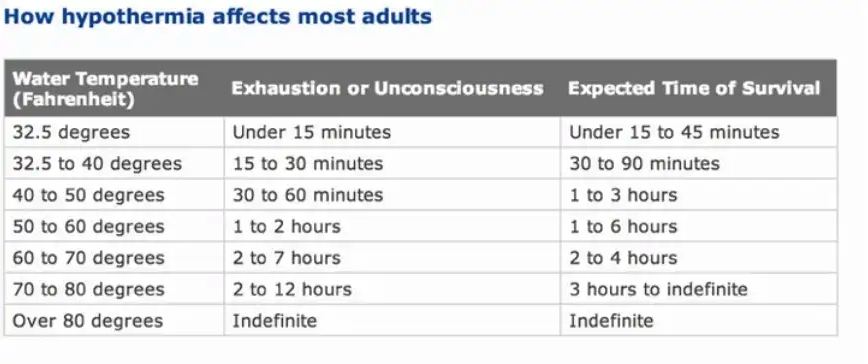
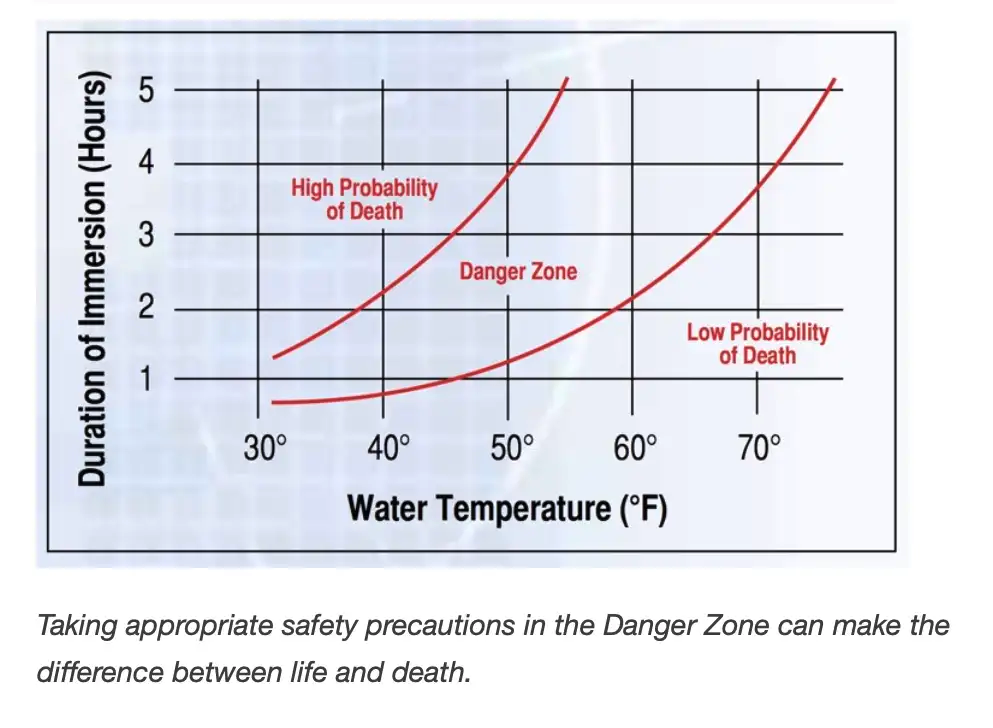
- Cold Water Respect: Even in warm months, water temperatures in the Gulf of Maine can remain in the 40s and 50s°F, far below safe immersion thresholds.
- Emergency Readiness: All workers should understand man-overboard recovery, fire response, and how to issue distress signals on VHF Channel 16.
|
Immediate Onset Emergencies: These occur without warning and require immediate action:
|
|
Collision or near-collision Man overboard Capsizing Sudden medical emergency |
|
Delayed Onset Emergencies: These develop gradually and can be mitigated if caught early:
|
|
Mechanical failure Progressive flooding or leaking Weather deterioration |
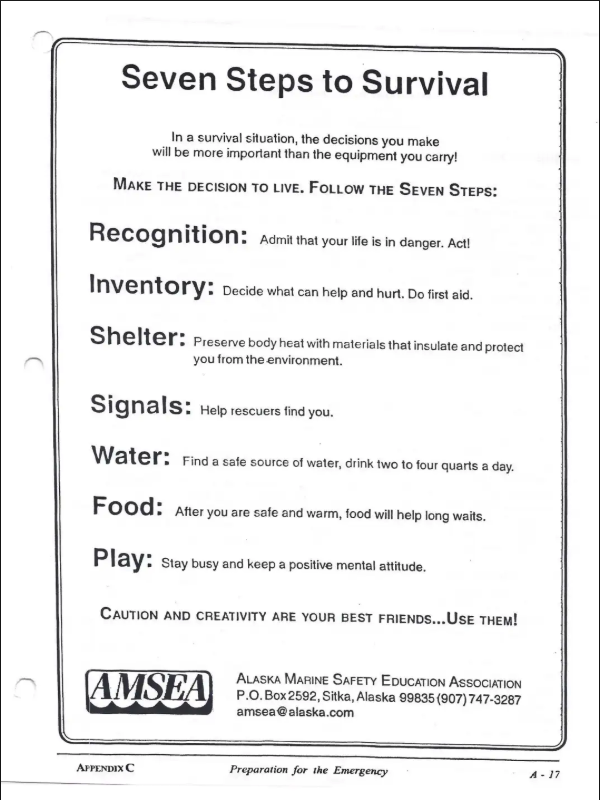
The Psychology of Survival
Survival outcomes depend heavily on mental state. Research by AMSEA and the U.S. Coast Guard emphasizes that panic impairs judgment, while structured decision-making improves survival chances.
Survival Mindset Includes:
- Recognition of danger
- Inventory of resources
- Building shelter if needed
- Signaling for help
- Conserving energy and warmth
Weather
The Maine adage “if you don’t like the weather, wait a minute” is good to keep in mind. Maine’s coastal summertime weather includes sunshine and fog, thunder storms, high wind, and heavy rain. Often, these changes happen quickly, leaving little time to prepare. Farms should encourage their employees to carry foul weather gear and to pay attention to dramatic shifts in cloud cover, wind, and temperature. In the event of high winds or a thunder storm, employees should avoid being on the water. If there is no way to reach shore quickly, it is best to seek the lowest shelter and stay away from metal structures.
Maine air temperatures range from 60-90˚ F in the summer to well below freezing in the winter. Most farms work well into the shoulder seasons and some work year round. Farms should consider the hazards that come with extreme heat and cold. Sunstroke and dehydration are serious threats during the summer months, however they are easily avoidable with appropriate planning. It is important to note that the water does not warm as quickly as the air in the spring months. A warm day in April still yields water temperatures in the low 40’s and thus employees should exercise caution around the water well into the spring.
Key Weather Risks
- Fog: Reduced visibility increases collision risk.
- Wind Events: Sudden gusts can destabilize skiffs or blow gear off decks.
- Thunderstorms: High winds, lightning, heavy rain, and possible hail.
- Cold Temperatures: Risks of cold shock and hypothermia.
- Heat Events: Heat stress, sunstroke, dehydration.
Wind chills greatly affect body temperature and when combined with the damp air can easily lead to slower reaction times, inefficiency and potentially hypothermia. It is important to pack additional layers and to minimize skin exposure during cold and windy conditions. In cold weather, it is recommended that employees work in pairs at all times, but especially when operating boats. Skiff operators are encouraged to clip into the safety cord (kill switch).
It is best to avoid sudden immersion into cold water as it can lead to cardiac arrest, uncontrollable breathing, and in severe cases, drowning. In the event that you are immersed, the following are guidelines to follow:
- Keep your head out of the water (about 50% of body heat is lost from the head).
- If entering the water voluntarily, do so slowly.
- If unable to get out of the water quickly, draw your knees up to your chest and wrap your arms across your chest to reduce heat loss.
- If others are in the water with you, form a huddle with your arms around each other. This increases your visibility and captures some heat.
Always keep an eye out for shifts in the weather patterns

High wispy cirrus clouds often indicate a change in weather is on the way within the next 24 hours.
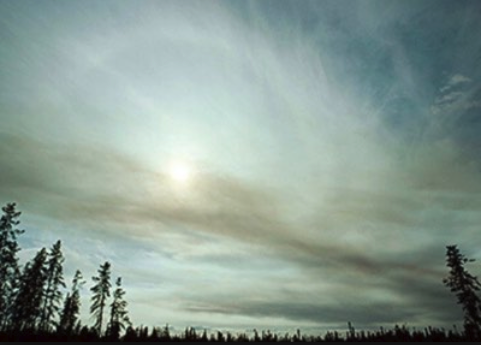
A halo around the sun or moon can indicate rain or stormy weather is on the way.

Cumulonimbus clouds, often referred to as “thunderheads” or “anvil clouds” indicate a likely thunderstorm on the way.
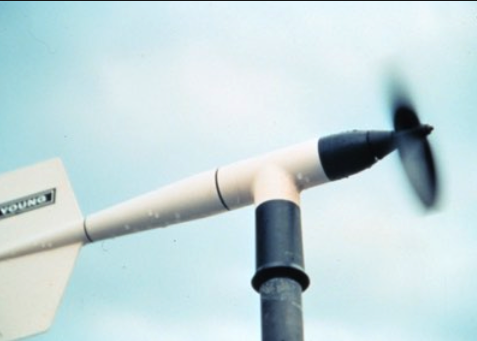
Keep an eye out for sudden wind shifts.
Hypothermia:
Hypothermia occurs when the internal body temperature falls below 95˚ C (normal internal temperature is 98.6˚ F). Hypothermia occurs most commonly in sustained temperatures well below freezing, however it can occur in temperatures as high as 50˚ F. It is much easier to prevent hypothermia than to treat it.
Signs of hypothermia:
- Pale skin.
- Skin is cold to the touch.
- Dilated pupils that do not adjust when exposed to light.
- Reduced coordination.
- Slurred speech and incoherent thinking.
- Unconsciousness.
- Weak pulse.
- Slow and labored breathing.
- Irregular heart beat.
- Shivering and trembling (though not always present).
If you suspect someone has hypothermia, call 911 and immediately follow the procedures below:
- If possible, move the person out of the cold and protect them from the wind.
- Remove any wet clothing and replace it with warm dry coats and blankets.
- Warming should be gradual and should prioritize the core of the body (head, neck, and chest).
- Offer the individual warm, sweet, nonalcoholic beverages.
- DO NOT attempt to warm the person to quickly and DO NOT give them alcoholic drinks or tobacco.
Fog
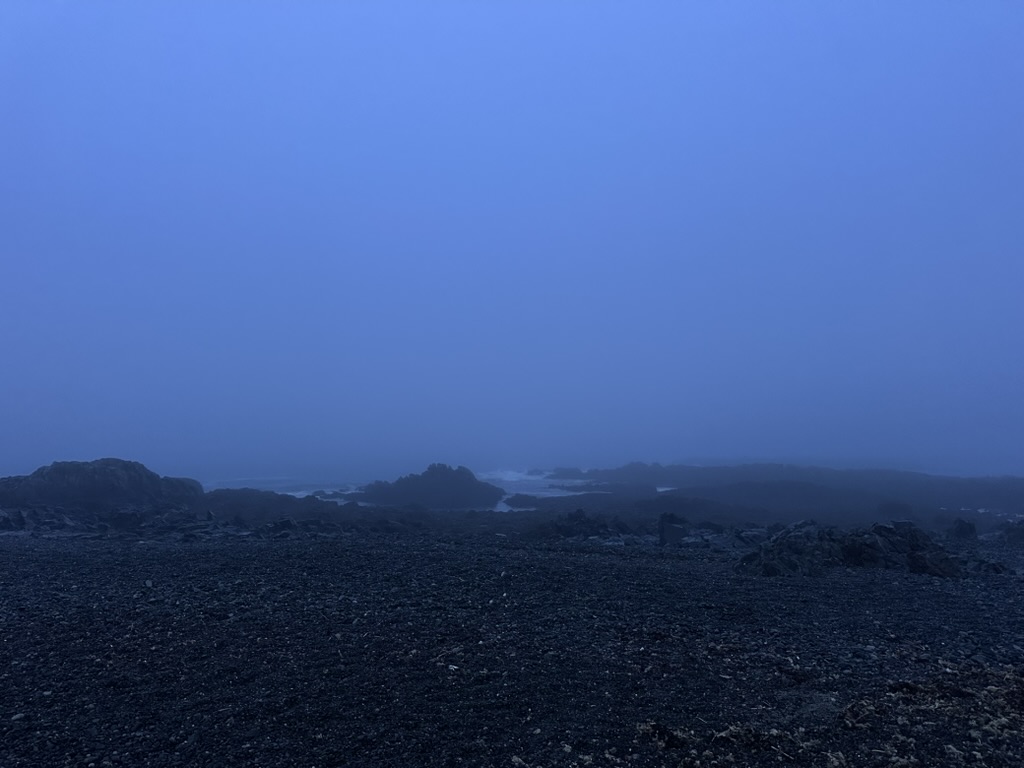
Fog increases the risk of collision, getting lost, not being able to locate navigational aids such as buoys, and finding your way through small channels or harbor entrances. If fog is forecast then consider whether you need to go out that day. But it is always possible for fog to occur without warning and you should be aware of the safety of yourself, your passengers, and other vessels around you in conditions with limited visibility.
It takes practice and experience, but it is possible to use radar, GPS and Loran-C units to navigate from buoy to buoy in fog. However, if you find yourself with virtually no visibility there’s only one appropriate strategy: stop. If you’re in a vulnerable situation such as (a) a high-traffic area, (b) in shallow water close to shore, or (c) in a shipping lane, then you should move out of harm’s way at a slow speed.
Thunder Storms
Sudden severe thunderstorms are a hazard and can materialize out of nowhere. In a sudden storm, your immediate problems are limited visibility, high winds and (potentially) rapidly building seas. Lightning may also become a hazard.
General Guidelines for a Weather Emergency
- If you have passengers aboard, get everyone into their life jackets and foul weather gear.
- Secure hatches, doors, ports and windows.
- Secure gear above and below decks; stow small items and lash down bigger ones. The weight of gear and passengers is especially important in smaller craft. Keep your load low and balanced.
- Ready emergency equipment (e.g. bailers, hand pumps, first aid kit, signaling devices).
- Pump bilges dry and repeat as necessary.
- Take a note of your position, heading, speed, and the time.
- Monitor Channel 16 on your VHF radio.
- Turn on navigation lights.
- Reduce speed and head your boat into the wind at a 45-degree angle (this reduces stress and enables better control of the vessel).
- If there is lightning, stay away from electrical and ungrounded components, and remain as low in the boat as possible.
- If you are in fear of losing the boat, get everyone on deck and send a Mayday on your marine VHF-FM radio.